You send an inquiry
Tell us, in a few sentences, where the debt sits and what an emergency would look like for your household right now. There is no charge for this first message and no obligation to continue.
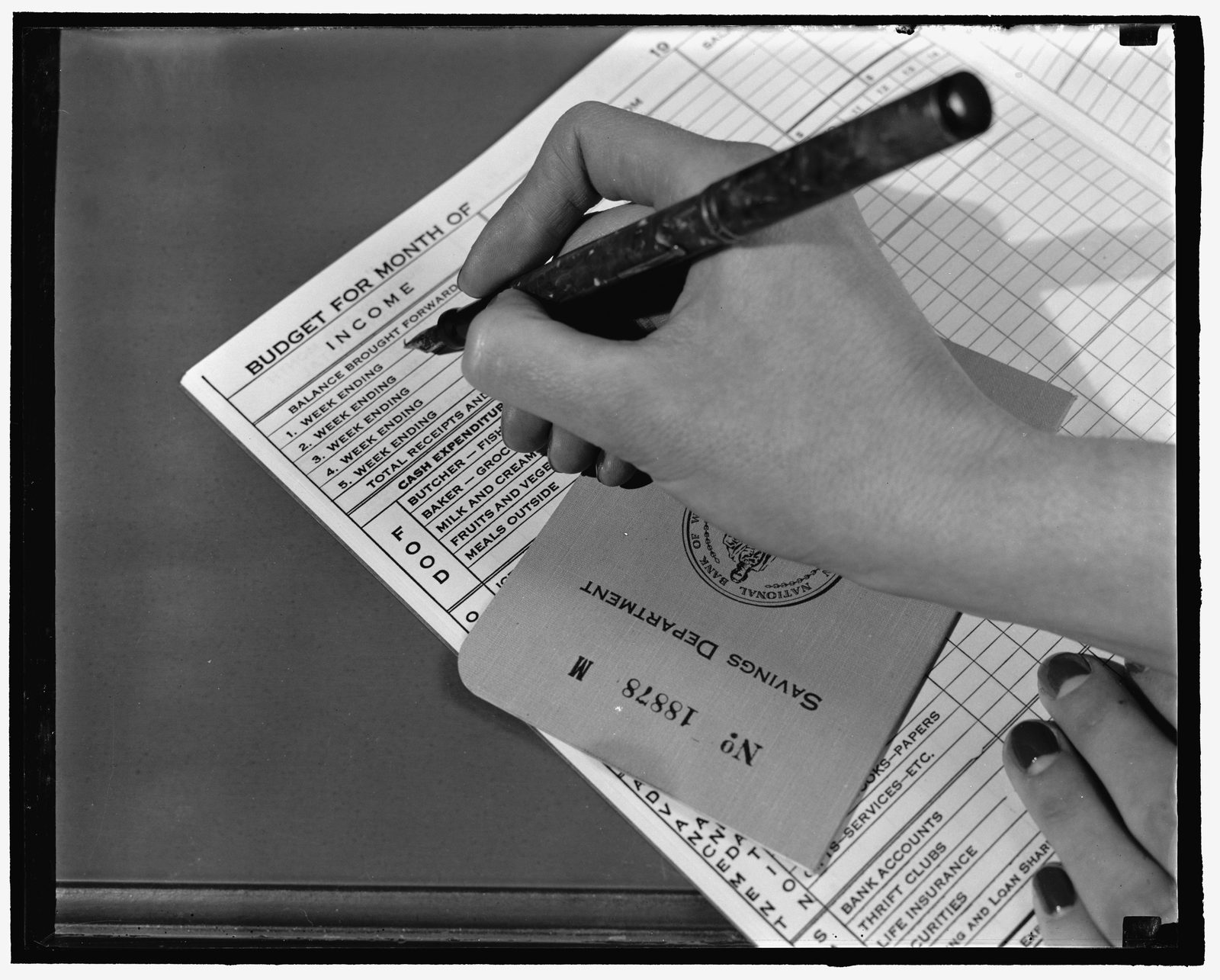
Most advice about paying down debt and building an emergency fund is louder than it is accurate. We work through your actual numbers, one inquiry at a time, and set the record straight on what helps and what quietly makes things worse.
Paying off the smallest debt first is the only sensible way to stay motivated.
The debt-snowball feels faster, but on high-interest cards the debt-avalanche — highest rate first — usually clears the total sooner and for less interest. We model both against your real balances and rates.
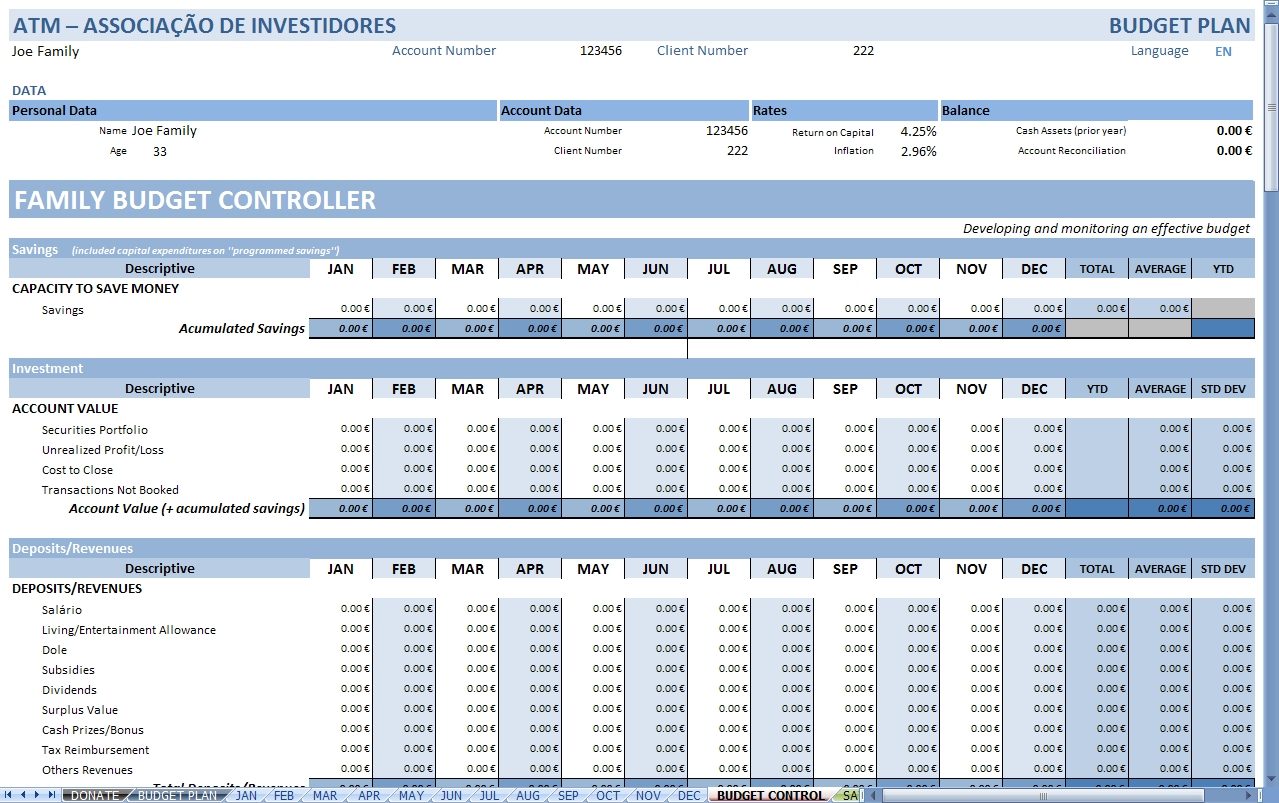
Anything less than six months of spending is a failed emergency fund.
Six months suits single-income households with thin support networks. A first starter target of one month, then three, is often the honest goal while debt is still being cleared. We size the fund to your actual job and obligations.

Every spare baht should go to debt until the balance reads zero.
With no buffer at all, the next surprise expense becomes new debt — often at a worse rate. A small emergency fund running alongside repayment usually lowers total cost over a year. We sequence the two deliberately.
A repayment plan you cannot survive for eighteen months is not a repayment plan. It is a forecast that will break on contact with real life.
— the principle behind every LogicNest consultation
Tell us, in a few sentences, where the debt sits and what an emergency would look like for your household right now. There is no charge for this first message and no obligation to continue.
We reply by email with what we would need to see — balances, rates, income rhythm — and the consultation fee for the session.
After the session you get a short, plain-language repayment and emergency-fund plan built from your figures, not a template.